
ORS and Dehydration: How to Use Oral Rehydration Salts the Right Way
Diarrhoea, vomiting and Saudi summer heat can drain your body of water and salts fast. Learn the warning signs of dehydration and how to mix and take ORS correctly for adults, children and babies.

Dehydration happens when your body loses more water and salts than it takes in. In the Eastern Province summer, a stomach bug, a long day working outdoors or a hard workout can tip you there faster than you think. The good news: for mild to moderate dehydration, one of the most effective treatments costs only a few riyals — oral rehydration salts (ORS).
What is ORS?
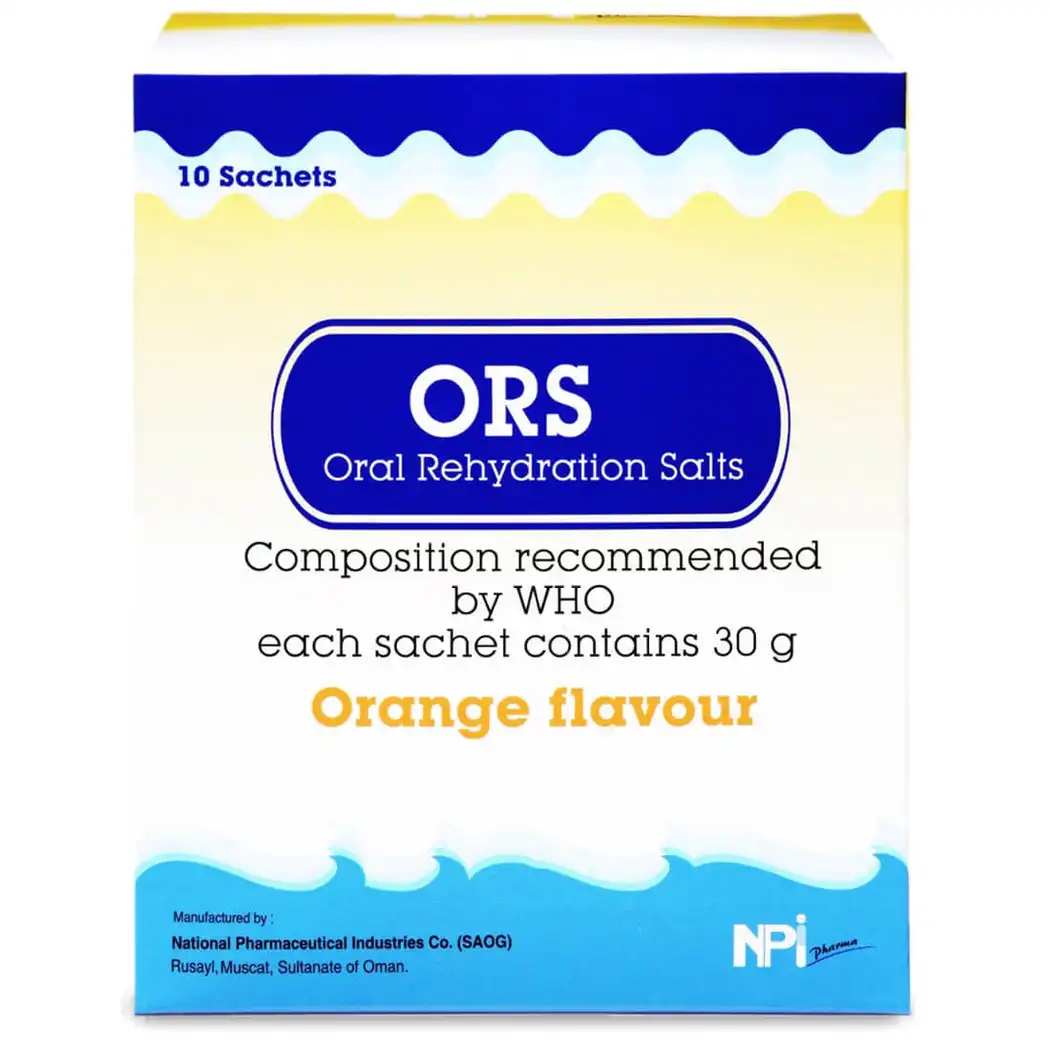
ORS is a carefully balanced powder of glucose (a sugar) and salts — sodium, potassium and citrate — that you dissolve in clean water. The exact ratio matters: the small amount of glucose helps your gut absorb sodium, and water follows the sodium into your body. That is why ORS rehydrates you better than plain water when you are losing fluid through diarrhoea or vomiting.
Who needs it?
- Anyone with diarrhoea or vomiting, especially lasting more than a few hours
- Babies and young children, who dehydrate much faster than adults
- Older adults, who often feel less thirsty even when they need fluids
- People who work or exercise in the heat and sweat heavily
- Travellers with an upset stomach
Warning signs of dehydration
Mild to moderate
- Thirst and a dry mouth or lips
- Dark yellow, strong-smelling urine, or urinating less often
- Headache, tiredness or feeling dizzy when you stand up
- In babies: fewer wet nappies, crying without tears, being unusually sleepy
Severe — seek medical help now
- Confusion, fainting or extreme drowsiness
- No urine for 8 hours or more (or no wet nappy for 6 hours in a baby)
- Fast heartbeat or fast breathing
- Sunken eyes, or a sunken soft spot on top of a baby’s head
- Unable to keep any fluid down
How to mix ORS correctly
- Wash your hands with soap and water.
- Use clean drinking water. For babies, boil the water and let it cool first.
- Pour in exactly the amount of water written on the pack — not more, not less. Too little water makes the solution too salty; too much makes it less effective.
- Empty the whole sachet in and stir until it fully dissolves.
- Do not add sugar, juice, milk or honey.
- Keep it covered in the fridge and throw away anything left after 24 hours.
Pharmacist tip: ORS is easiest to drink slightly chilled. If someone is vomiting, give small sips every few minutes. If they vomit, wait about 10 minutes, then start again — more slowly.
How much should you drink?
Always follow the directions on your pack or from your pharmacist. As a general guide (World Health Organization), after each loose stool:
Age | Amount of ORS |
|---|---|
Under 2 years | 50–100 ml (about ¼ to ½ a large cup) |
2 to 10 years | 100–200 ml (about ½ to 1 large cup) |
Over 10 years and adults | As much as they want, sipped steadily |
Keep eating normal meals once appetite returns, and keep breastfeeding babies throughout — ORS is given in addition to breast milk, not instead of it. For children with diarrhoea, doctors may also recommend a short course of zinc; ask your pharmacist.

ORS vs sports drinks and soft drinks
Sports drinks are designed to replace sweat during exercise, not fluid lost through illness. Most contain much more sugar and much less sodium than ORS, and fizzy drinks and juices are even more sugary. Extra sugar can draw water into the gut and make diarrhoea worse — so when you are unwell, ORS is the better choice.

Can I make ORS at home?
A ready-made sachet is always safest because the measurements are exact. If none is available, the WHO home recipe is 6 level teaspoons of sugar and ½ a level teaspoon of salt in 1 litre of clean water. Measure carefully — too much salt can be dangerous, especially for babies — and replace it with a proper sachet as soon as you can.
When to see a doctor
- Any baby under 6 months with diarrhoea or vomiting
- Diarrhoea lasting more than 2 days in adults, or more than 24 hours in young children
- Blood in the stool, a high fever or severe stomach pain
- Any of the severe signs listed above
- If you have kidney or heart disease, diabetes, or have been told to limit fluids or salt — check with your doctor before using ORS
Keep a box at home
ORS sachets are inexpensive, last a long time and are worth keeping in every family’s medicine cabinet and travel bag. You can order ORS sachets from MahraCare with same-day delivery in Dammam, or message our pharmacists on WhatsApp if you are not sure what is right for you or your child.
This article is for general information and does not replace advice from your doctor or pharmacist.
This article is for general information only and does not replace advice from your doctor or pharmacist. Speak to a MahraCare Pharmacy pharmacist before changing any medication.
Health tips in your inbox
Pharmacist-written advice, new articles, and seasonal reminders. No spam.