
Seasonal Weather Changes
Flu, Fever, Sore Throat, Cough and Nasal congestion begins as the weather change. To learn early sign and home remedies can manage such symptoms.
Introduction
As the weather changes, many people begin experiencing flu-like symptoms, fever, sore throat, cough, and nasal congestion. Seasonal transitions can coincide with an increase in respiratory infections, particularly during colder months or periods when people spend more time indoors. These symptoms can develop quickly and affect people of all ages.
Why Do Flu Symptoms Increase During Weather Changes?
Changes in temperature, humidity, and daily routines can influence the spread of respiratory viruses. However, weather changes themselves do not directly cause the flu. Influenza is caused by influenza viruses, which spread mainly through respiratory particles released when an infected person coughs, sneezes, talks, or breathes.
Several factors may contribute to an increase in respiratory illnesses during seasonal transitions:
Changing temperatures: Cold or dry air may affect the body's respiratory defenses.
Indoor gatherings: Spending more time in enclosed spaces can increase exposure to respiratory viruses.
Low humidity: Dry air may help some respiratory viruses remain infectious for longer and can irritate the throat and nasal passages.
Exposure to infected individuals: Close contact with someone who has a respiratory infection increases the risk of transmission.
Common Symptoms: Flu, Fever, and Sore Throat
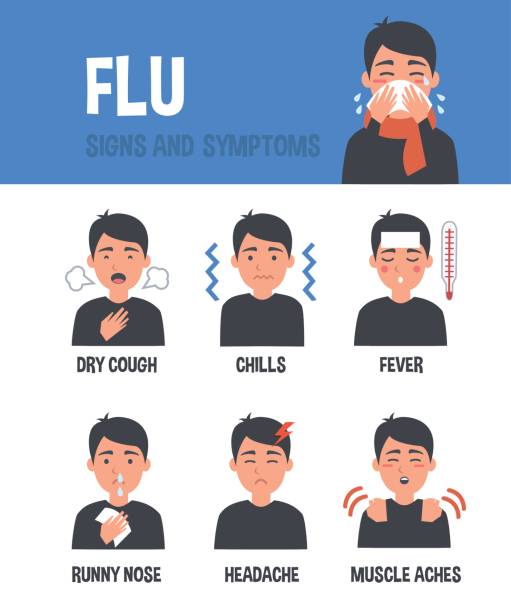
Respiratory infections may cause a range of symptoms, including:
1. Fever and Chills

2. Sore Throat

3. Cough and Nasal Congestion
A dry or persistent cough, runny nose, sneezing, and nasal congestion may accompany respiratory infections. The combination and severity of symptoms vary from person to person.
4. Fatigue and Body Aches
Influenza often causes sudden tiredness, muscle pain, headaches, and weakness. These symptoms can interfere with normal daily activities and may last longer than the fever.
How to Manage Symptoms at Home
For mild respiratory symptoms, supportive care can help relieve discomfort and support recovery.
Stay hydrated: Drink water, warm fluids, and soups to prevent dehydration and soothe the throat.
Get adequate rest: Allow your body time to recover.
Soothe a sore throat: Gargling with warm salt water may provide relief for adults and older children who can gargle safely.
Monitor your temperature: Check for persistent or worsening fever.
Reduce the spread of infection: Stay home when sick, improve indoor ventilation, wash your hands regularly, and consider wearing a well-fitting mask around others.
Use medication appropriately: Fever-reducing medicines may help when used according to the label and a healthcare professional's advice. Never give aspirin to children or teenagers with a suspected viral illness unless specifically directed by a clinician.
Antibiotics do not treat influenza or other viral infections. People at increased risk of complications may benefit from early medical assessment because antiviral treatment for influenza works best when started promptly.
When Should You See a Doctor?
Although many respiratory infections improve with home care, certain symptoms require medical attention.
Seek urgent medical care if you experience:
Difficulty breathing or shortness of breath
Persistent chest pain or pressure
Confusion, fainting, or severe weakness
Severe dehydration or an inability to keep fluids down
Difficulty swallowing saliva or significant throat swelling
Contact a healthcare professional promptly if your fever persists, symptoms worsen after initially improving, or you belong to a higher-risk group, such as young children, older adults, pregnant individuals, or people with chronic medical conditions or weakened immune systems.
How Can You Prevent Seasonal Respiratory Infections?
Prevention is an important part of staying healthy during seasonal weather changes.
Get vaccinated: Annual influenza vaccination is an important way to reduce the risk of flu and severe complications.
Practice good hand hygiene: Wash your hands with soap and water regularly.
Maintain good ventilation: Open windows when appropriate or use suitable ventilation systems.
Avoid close contact with sick individuals: Reduce exposure when respiratory infections are circulating.
Support general health: Eat a balanced diet, sleep adequately, and stay physically active as your health allows.
Avoid smoking and secondhand smoke: Smoke can irritate the respiratory tract and worsen throat and cough symptoms.
This article is for general information only and does not replace advice from your doctor or pharmacist. Speak to a MahraCare Pharmacy pharmacist before changing any medication.
Health tips in your inbox
Pharmacist-written advice, new articles, and seasonal reminders. No spam.
